

Most ERP systems aren’t broken.
In fact, most are doing exactly what they were implemented to do.
They process orders.
They generate reports.
They keep operations moving.
Whether you’re running Infor VISUAL, Infor CloudSuite Industrial (CSI), Epicor, or another manufacturing ERP system, things often appear to be working just fine.
But underneath that “working” system is something we see all the time:
👉 An ERP that has become good enough — and quietly expensive.
The HiddenCost of “Good Enough” ERP
When an ERP environment settles into “good enough,” the issues aren’t always obvious.
They show up in small ways that compound over time:
- Manual workarounds that should have been automated years ago
- Data inconsistencies that make reporting unreliable
- Processes that no longer match how the business actually operates
- Users who don’t fully trust the system
This is especially common in Infor VISUAL ERP, Infor CSI, and Epicor ERP environments that have been in place for years without ongoing optimization or ERP consulting support.
None of these issues shut the business down.
But together?
They slow everything down.
Why ERP Systems Drift Over Time
ERP systems don’t degrade overnight.
They drift.
As manufacturing businesses grow and evolve, ERP systems often stay the same:
- New processes are layered on top of old workflows
- Quick fixes become permanent configurations
- Ownership of ERP data becomes unclear
- Training becomes inconsistent across teams
Over time, the system no longer reflects the business — it reflects the history of decisions made along the way.
This is where ERP consulting services and ERP system optimization become critical.
The “Good Enough” ERP Trap
The challenge with “good enough” ERP performance is that it doesn’t create urgency.
It’s not painful enough to force change.
But it’s not efficient enough to support growth.
So teams adapt.
They work around the system instead of improving it.
This often leads to:
- Increased reliance on spreadsheets
- Disconnected systems without proper ERP integrations
- Reporting delays and data inaccuracies
- Reduced confidence in the ERP system
Eventually, the ERP becomes something employees tolerate — not something they rely on.
What Optimized ERP Looks Like
The best-performing manufacturing companies don’t rely on “good enough.”
They invest in ERP optimization, ERP integration, and continuous improvement.
That looks like:
✔️ Regular data cleanup and governance
✔️ Process reviews aligned with current operations
✔️ Eliminating manual work through automation and ERP integrations
✔️ Consistent user training and documentation
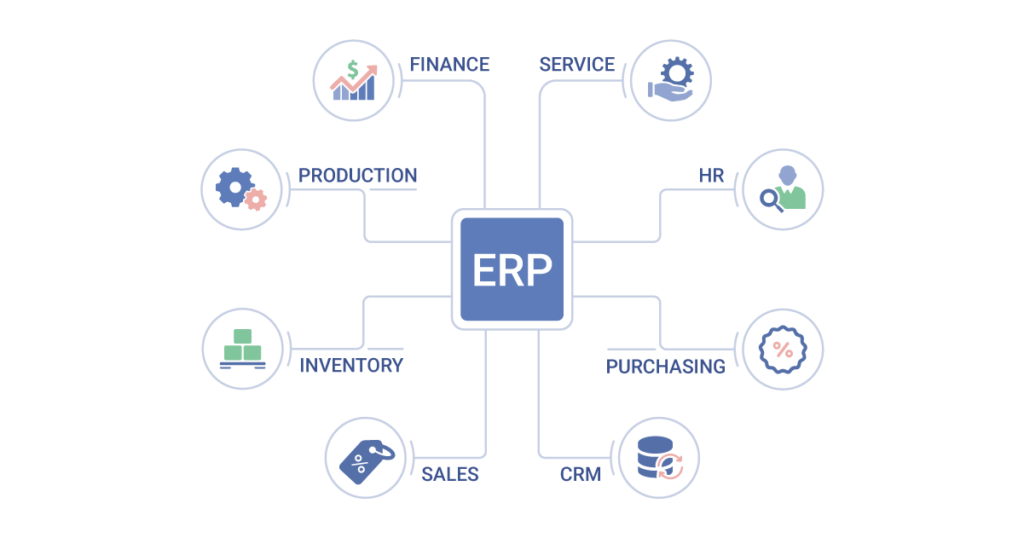
✔️ Connecting ERP to CRM, eCommerce, finance, and shipping systems
For companies using Infor VISUAL, Infor CSI, or Epicor, this often includes leveraging integration platforms, cloud hosting, and structured ERP consulting engagements.
Great ERP isn’t about replacing the system.
It’s about maximizing the value of what you already have.
Small Improvements, Big Impact
One of the biggest misconceptions about ERP improvement is that it requires a full reimplementation.
In reality, the biggest gains often come from small, targeted improvements:
- Automating a single manual process
- Cleaning up a critical dataset
- Standardizing one key workflow
- Improving a report used for decision-making
These changes don’t just improve efficiency — they rebuild trust in your ERP system.
Final Thought: ERP Is a Strategic Asset
Your ERP system — whether it’s Infor VISUAL, Infor CSI, or Epicor — is more than just a system of record.
It’s a system of decision-making.
When it’s only “good enough,” decisions become slower, less accurate, and more manual than they should be.
The question isn’t whether your ERP is working.
👉 It’s whether your ERP is helping your business grow.
Ready to Optimize Your ERP?
If your ERP system feels heavier than it should, you’re not alone — and you may not need a replacement.
With the right approach to ERP consulting, ERP integration, and system optimization, you can unlock more value from your existing system.
👉 Let’s talk about how to move your ERP from “good enough” to “great.”

Blog written by: Jamey Moone; Account Manager at Datix Inc.
Email: jmoone@datixinc.com
LinkedIn: Jamey on LinkedIn